Along the Paths of the Dragon’s Lair: Girių Romuva hiked around Tauragnai
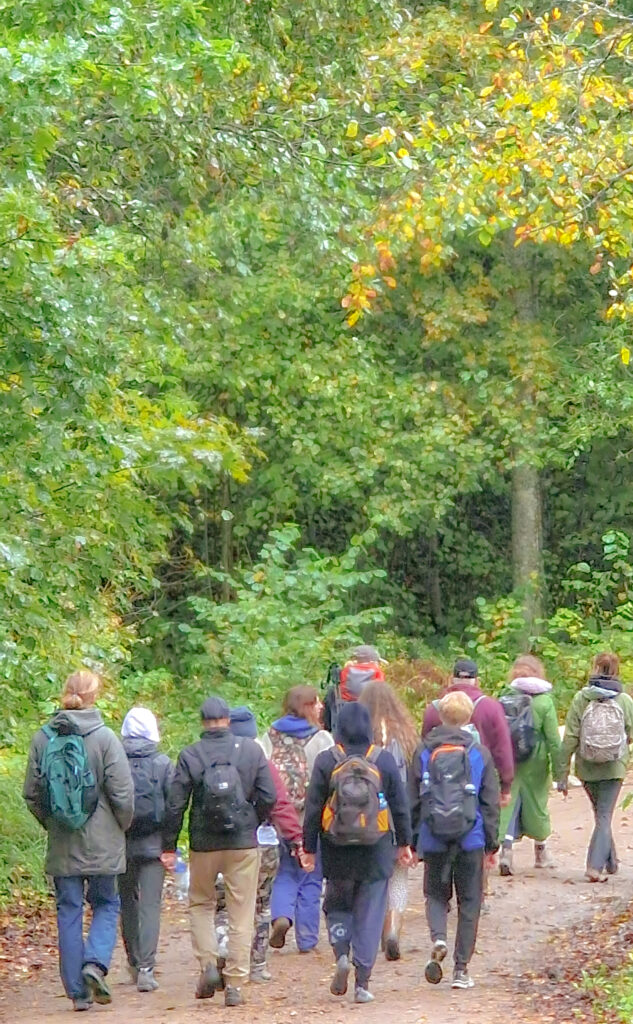
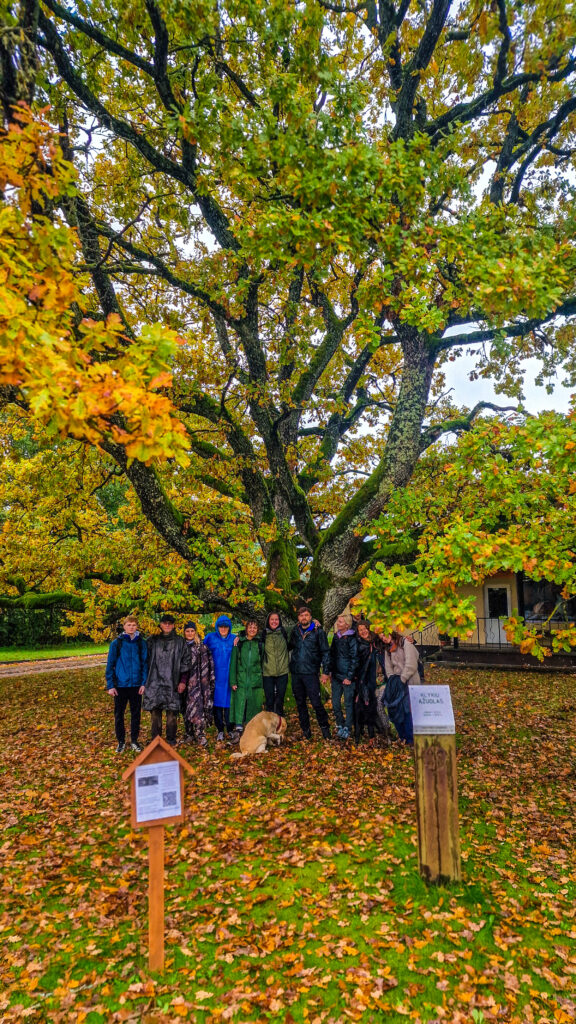
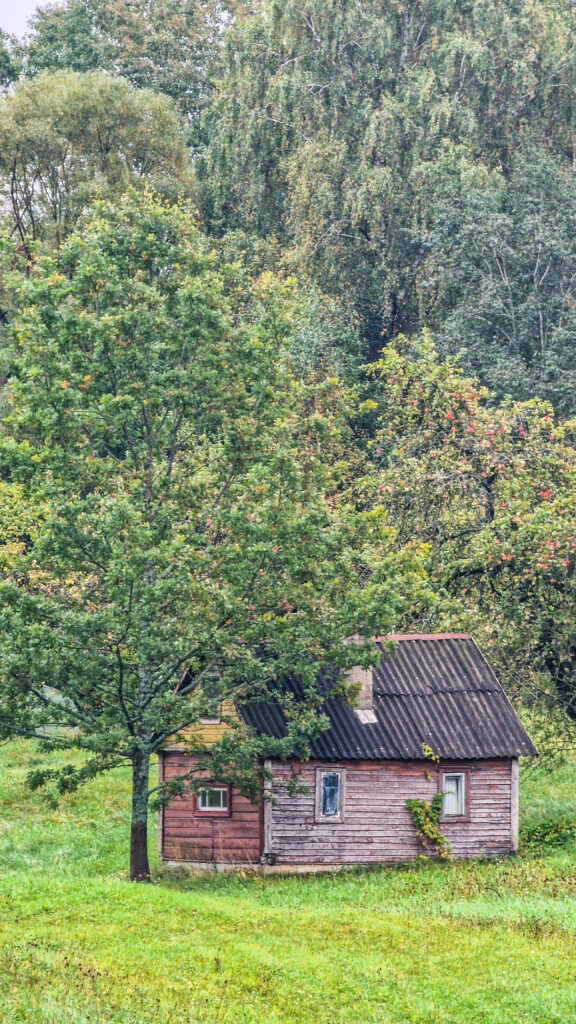
On 26 September the Girių Romuva community met for the hike “Along the Paths of the Dragon’s Lair: a hike around Tauragnai”. Although rain accompanied the walkers, it did not dampen their wish to get to know the area, listen to local stories and spend time together. Inspired by Eugenija Šimkūnaitė’s account, the journey prompted the communities to agree to hold such hikes at least once a season.
The route was based on Eugenija Šimkūnaitė’s article “The Dragon’s Lair. Tauragnai and its surroundings”, published on the website “VietosDvasia.lt”. In it the area’s lakes, hills, villages and trees are revealed through old names, people’s recollections and legends. The hikers set out to look for the places of these stories and to get to know their landscape and surviving memory.
The journey was enriched by Alvydas, a local resident who joined the hikers. Born in this area and still living here, he shared stories passed down by word of mouth as well as personal memories. He had known Eugenija Šimkūnaitė herself, so his presence made the very idea of the hike even more meaningful.
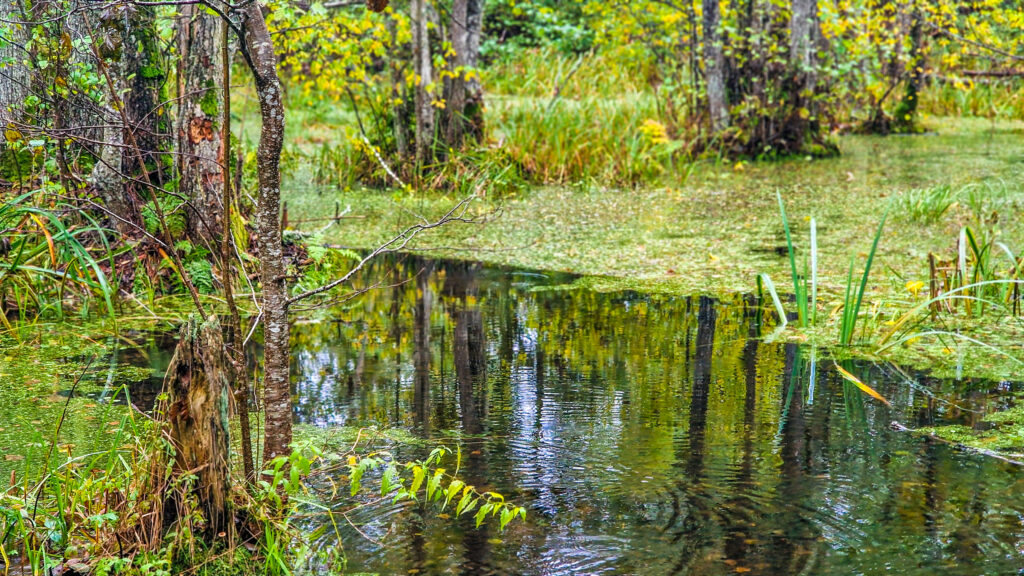
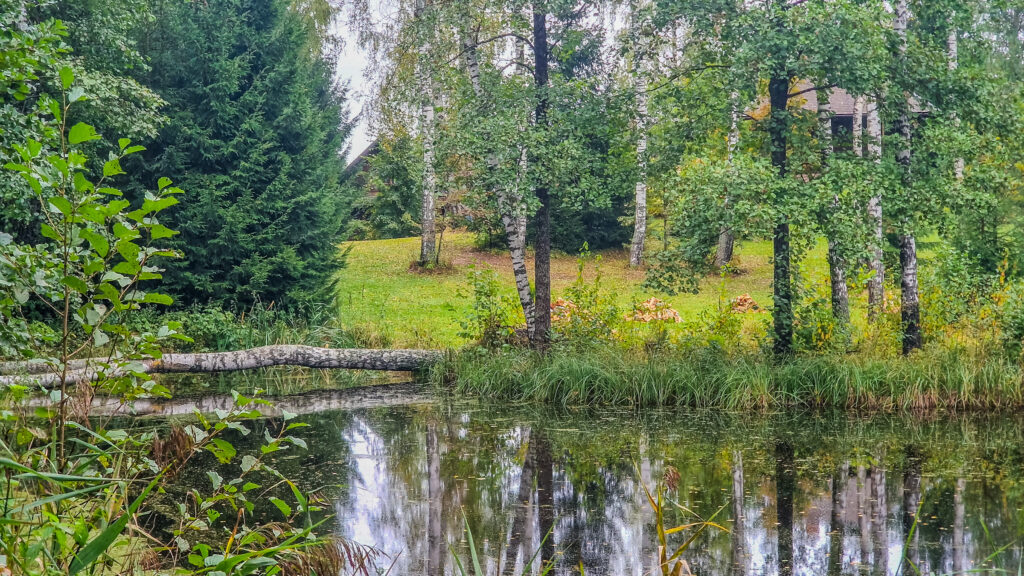
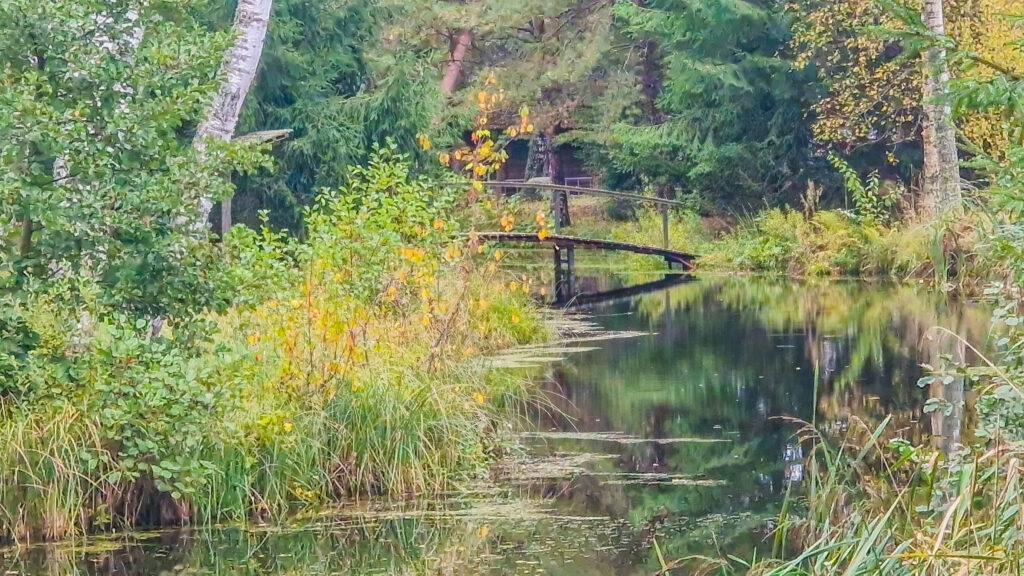
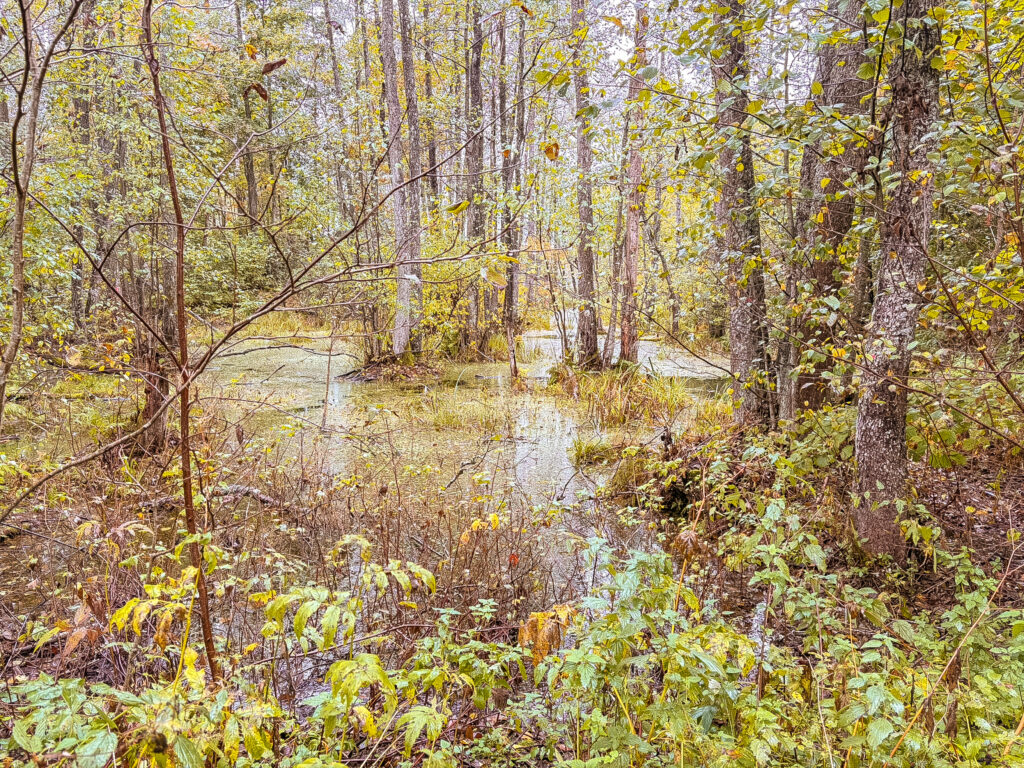
At Lake Politiškis the participants recalled Vėžinis, described by Šimkūnaitė. A narrow strip of land separates it from Lake Klykiai, and countless crayfish once hid among the roots of the black alders along its shores. According to the story the author relates, there were so many that the catch was carted to Vilnius, Grodno and even St Petersburg. The lake gave the local people food and income, and the right to catch crayfish there even became a cause of disputes.
Šimkūnaitė also preserved the locals’ conviction that the crayfish of Vėžinis tasted better than those of other lakes. Some put it down to the black alder roots, others to the hops twining along the shores. These stories remind us of people’s powers of observation, their relationship with their surroundings and their pride in their native place.
On the shore of Lake Klykiai the talk turned to place names. Šimkūnaitė’s hint at an “all-subduing strength” that once existed here prompted reflection on what this place may have meant to the people living around it. The sound of the lake’s name called up associations with the word klykti (“to shriek”), with a cry and an echo carrying over the water. These links were discussed as interpretations that open up room for questions about the name of the place and its origin.
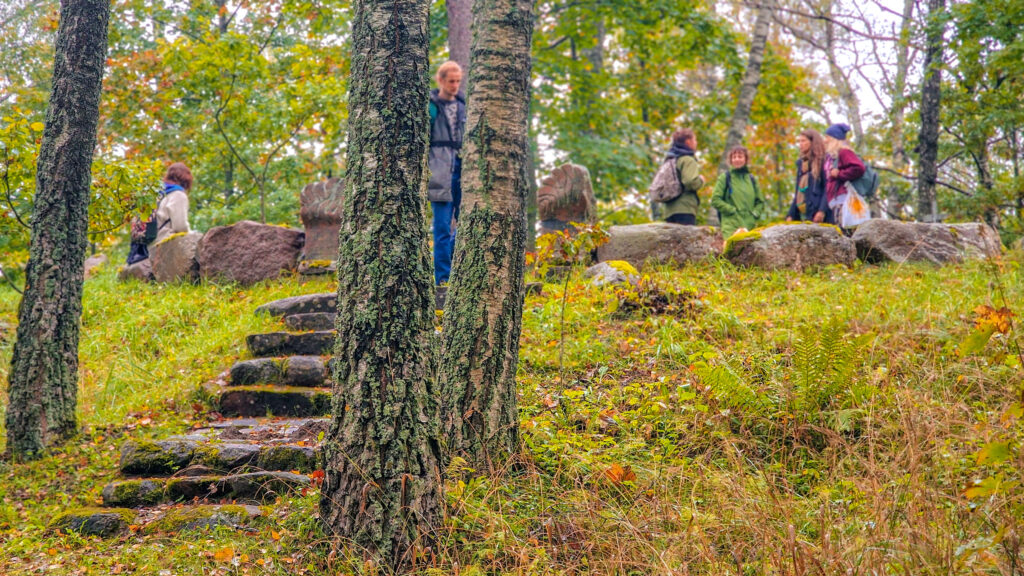
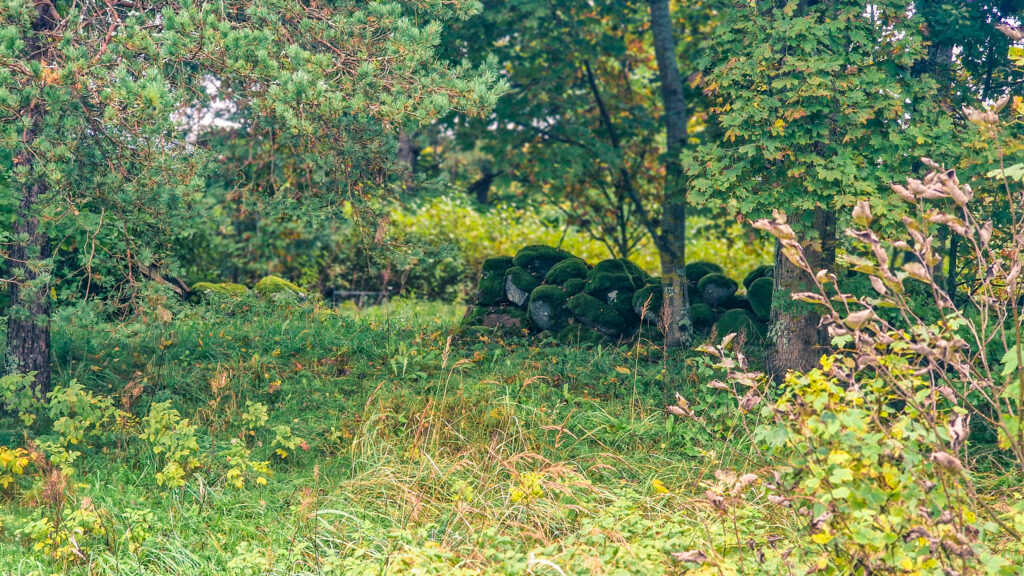
After visiting the Klykiai hillfort, the hikers recalled the legend of a church that stood on the hill and sank beneath the earth. The story also mentions the fear this place inspired in people. The hikers wondered whether the legend might preserve the memory of an older sacred site, although there is as yet no evidence to confirm such a supposition.
The hillfort was also seen to need care: the site is overgrown and in places smothered by fallen trees. We had the idea of holding a volunteer work day this year to help tidy up this place of respectful memory.
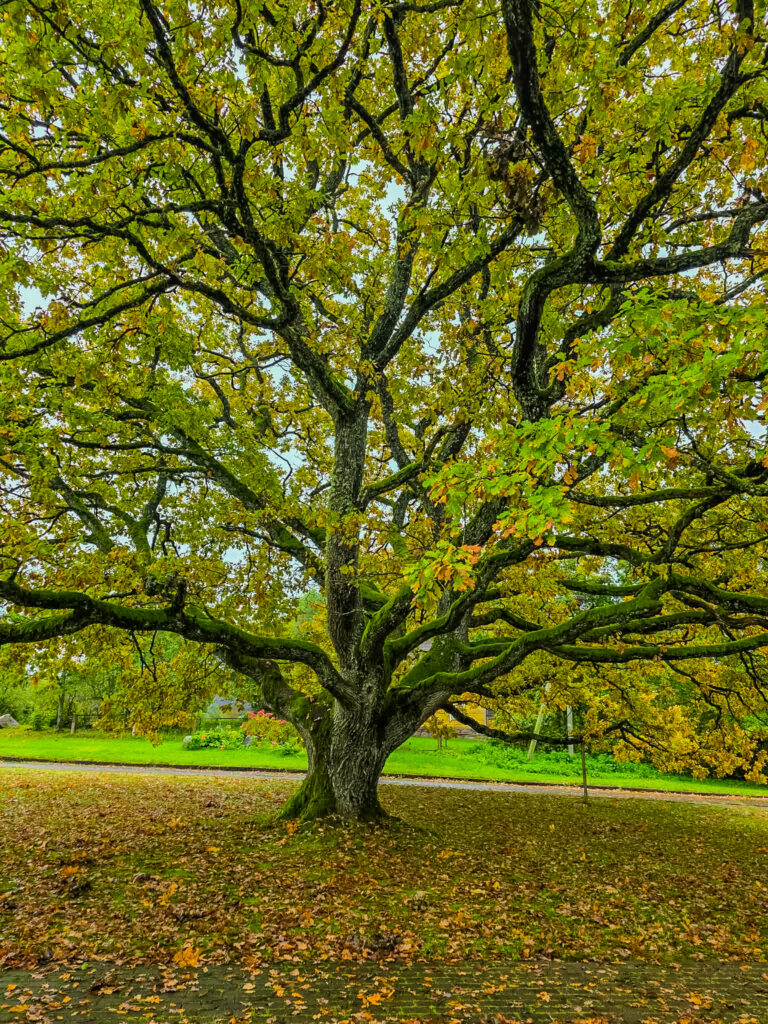
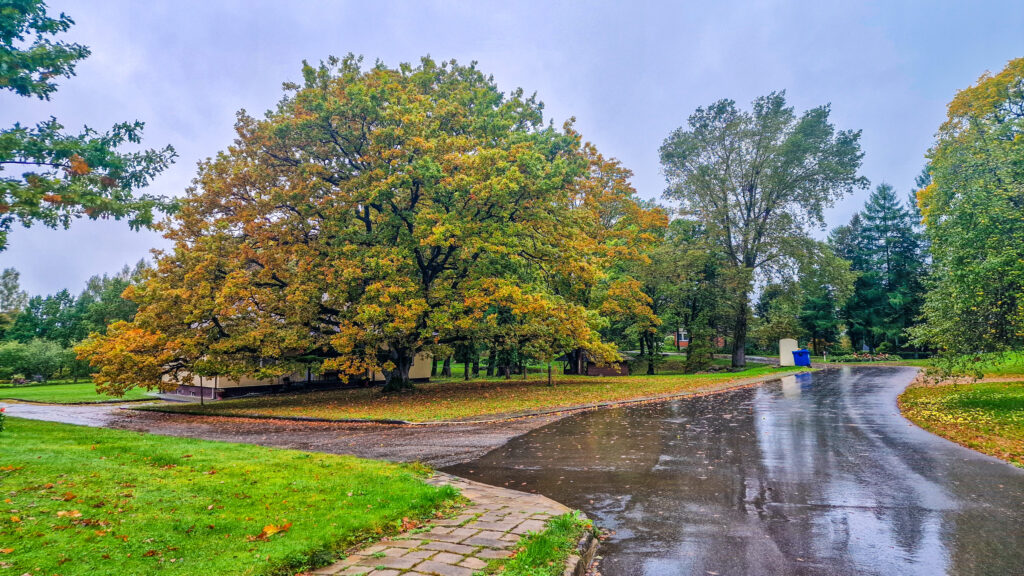
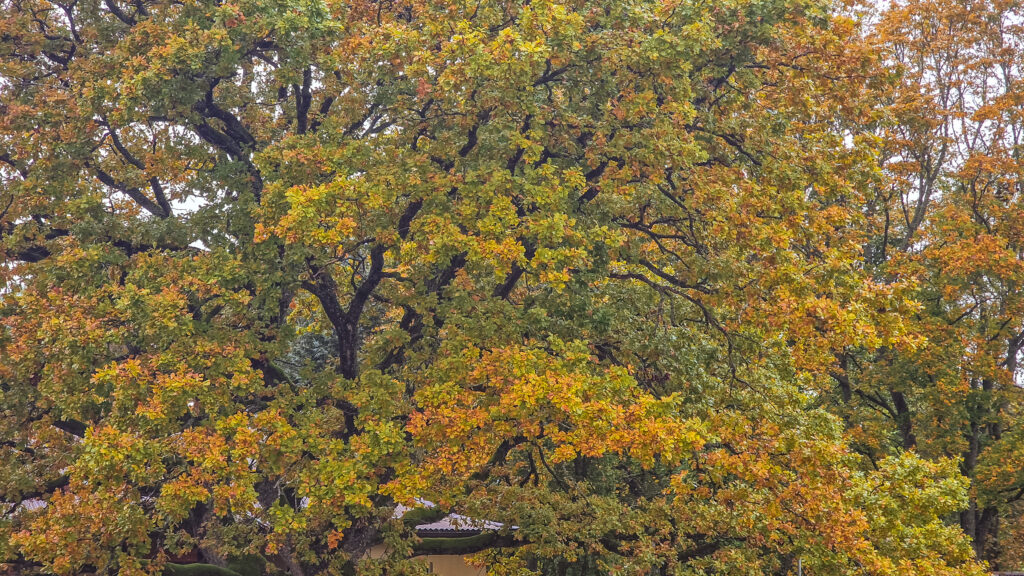
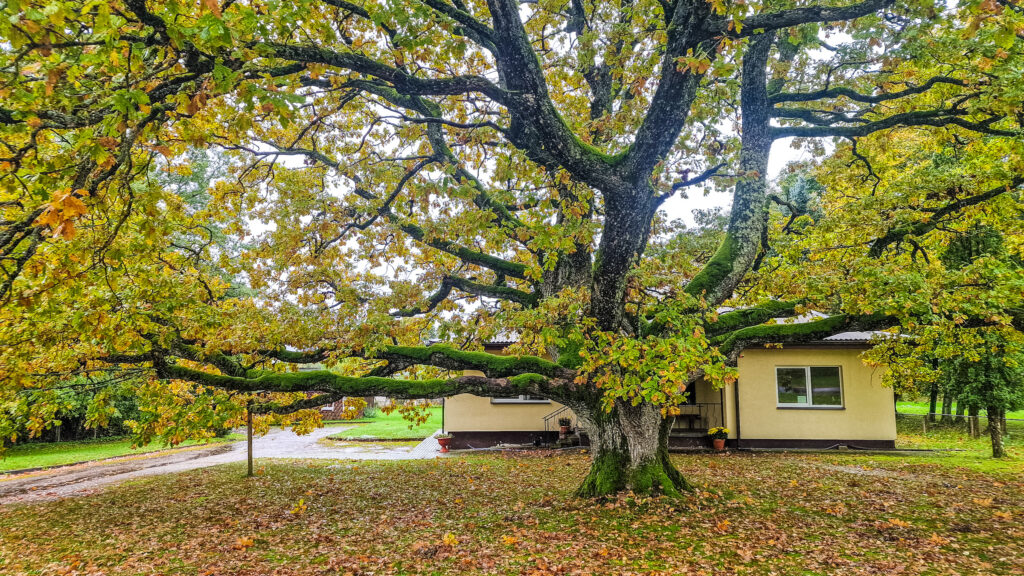
By the Klykiai oak the participants discussed the significance of the oak in old Lithuanian culture: its connection with Perkūnas, sacred groves, strength and longevity. The stop beside the old tree invited thoughts about the passing of generations and the landmarks that outlast a human life.
Aukštakalnis, also called Klykiai Hill, is presented in Šimkūnaitė’s text as a special place where “the Sun herself comes to visit”. There is an old cemetery on the hill, and the author suggests there may have been an alkas (sacred site) and an observation place here. This hint led to a conversation about ancient sky-watching and following the turn of the year by the points on the horizon where the Sun rises and sets. Although the specific purpose of this hill has not been confirmed, the story made it possible to discuss possible links between landscape, calendar customs and the old way of seeing the world.
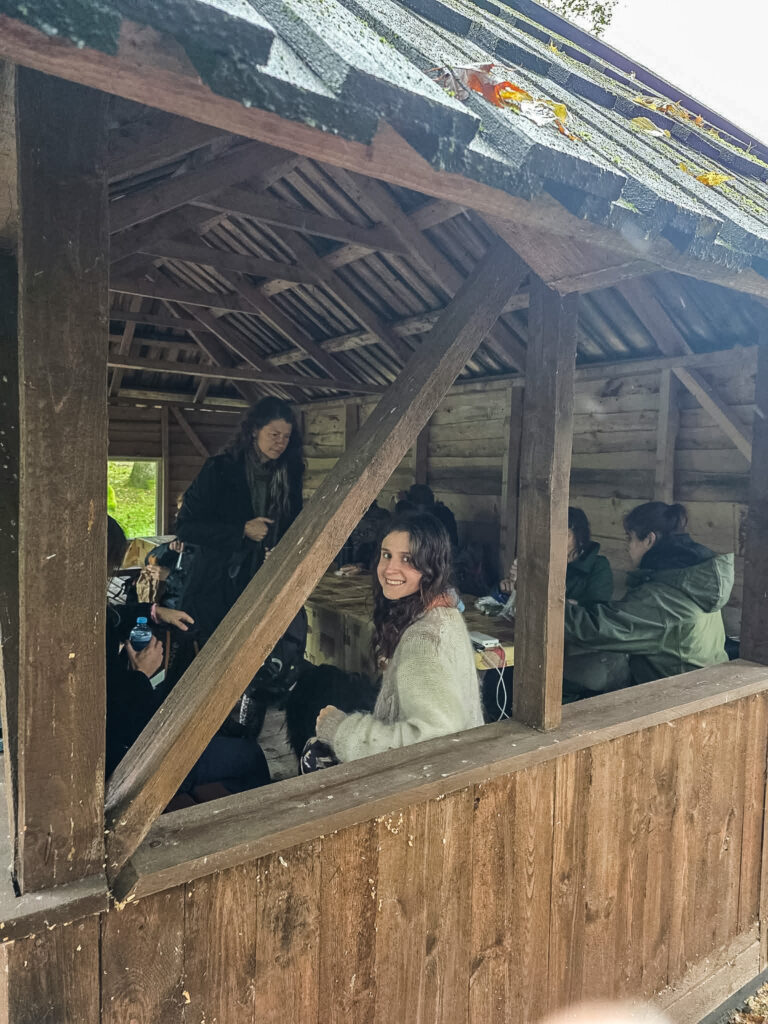
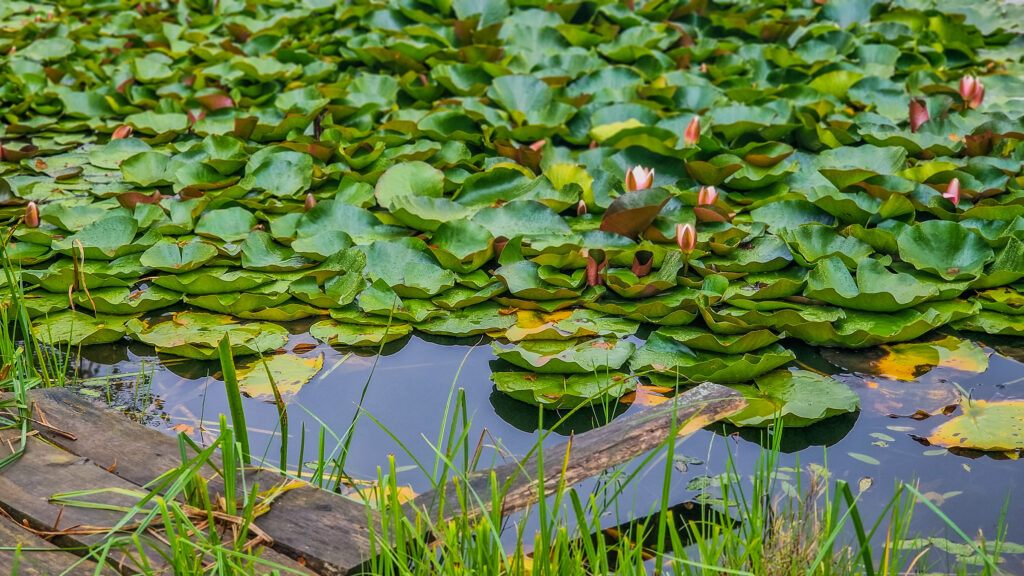
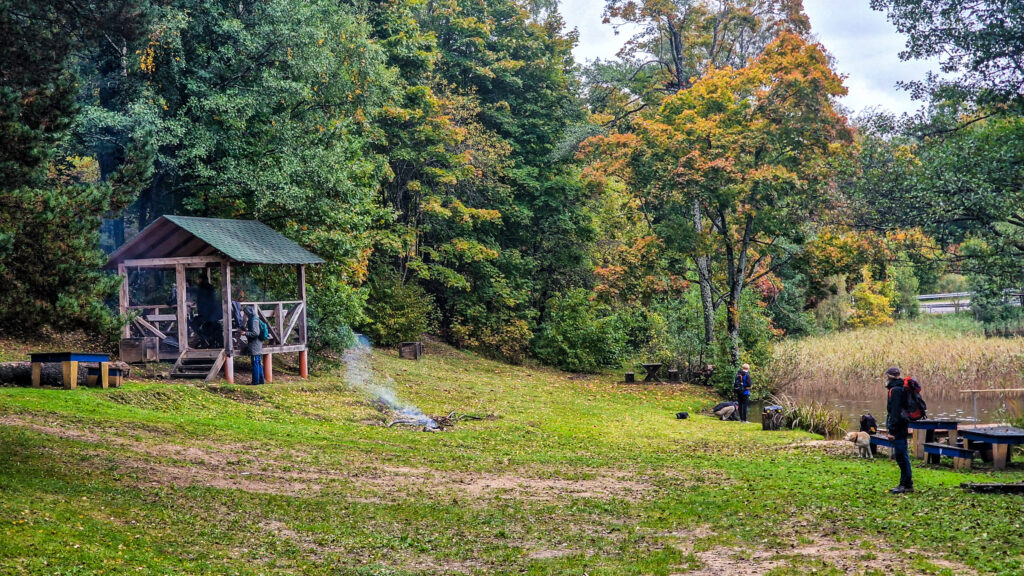
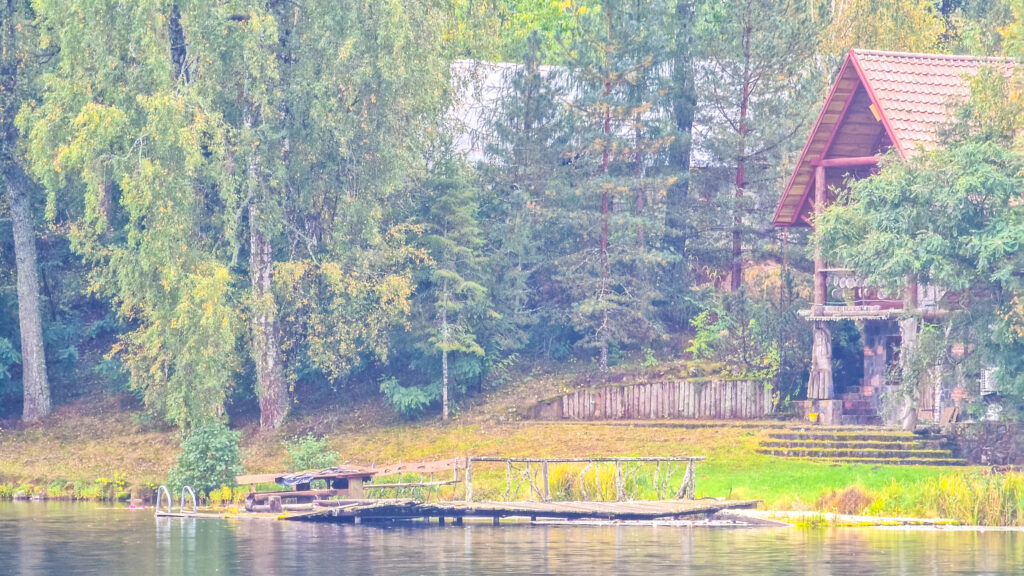
The last stop on the route was Lake Ilgis, which in Šimkūnaitė’s account also bears the names Dubys and Luomenis. The author described its surroundings as exceptionally beautiful or, in the words of the Tauragnai people, “calm”. At a rest site on the lake shore the hikers stopped for a longer break, warmed themselves with hot tea and shared their impressions of the day. Some even ventured a swim in the autumn lake.
The hike was a chance to get to know the Tauragnai area and make time for fellowship. Walking together, listening to stories and talking during the stops, people got to know each other better and new ideas arose.
Girių Romuva thanks Girių Inspekcija, Alvydas and all the participants for their stories, good spirits and determination to walk in spite of the rain. The communities agreed to hold similar educational hikes at least once a season: in winter, spring, summer and autumn. Getting to know Lithuania’s places together strengthens both the bond with the land and fellowship with one another.