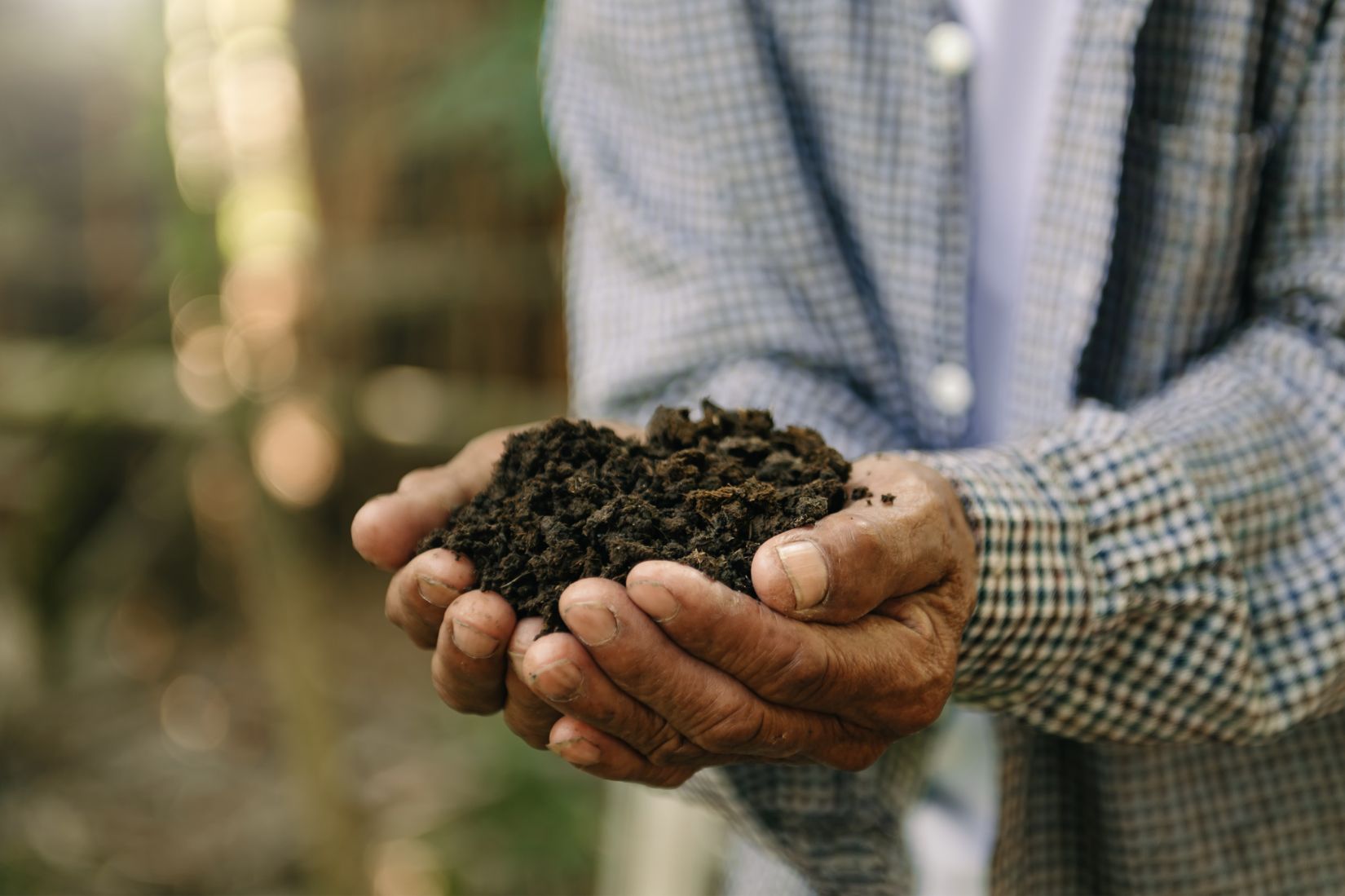
A handful of Earth that holds the world
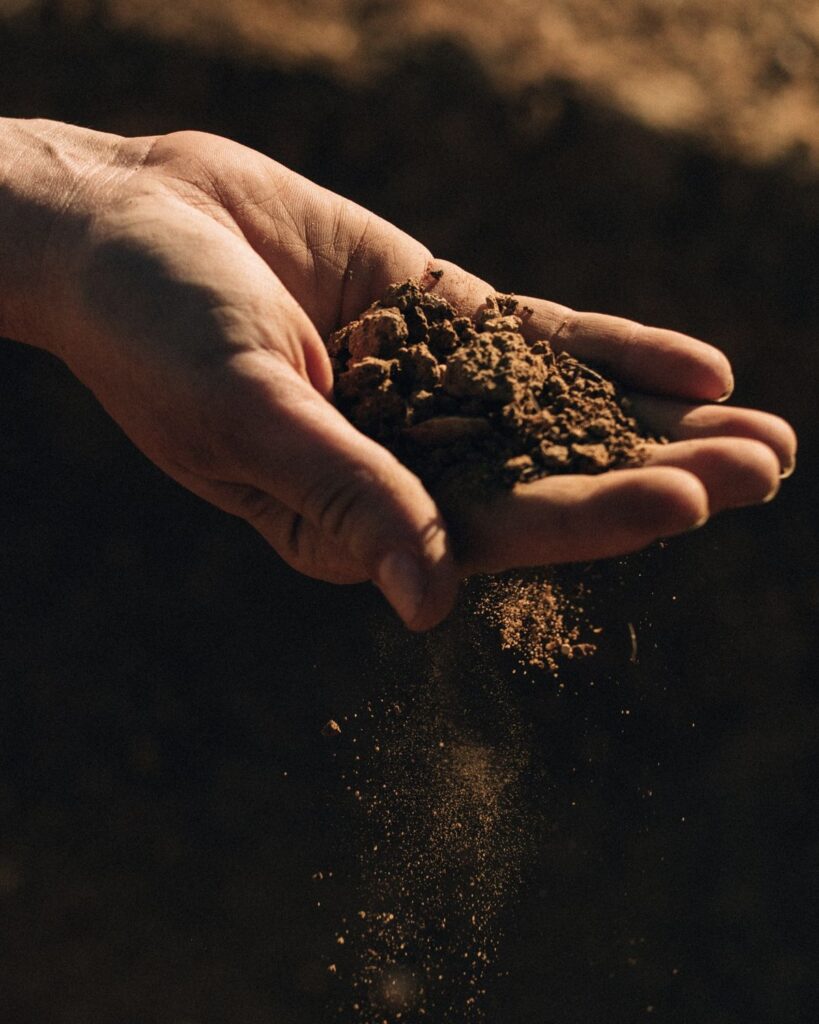
Bend down and scoop up a handful of earth from your own yard, from the spot where you walk every day, where the snow melts first in spring and the grass grows without anyone’s permission. Weighed in your palm, it seems worthless. And yet it is the same body on which your house stands, from which your bread grew and to which you too will one day return.
Our great-grandparents knew this without any books. It was forbidden to spit on the earth, to beat it with a stick or to tear it up needlessly. A farmer going out to plough for the first time in spring would greet it, and a slice of bread that fell to the floor was picked up and kissed. Žemyna was a mother you feel beneath your bare feet every morning.
Today we often feel powerless. We hear about wars, forests being felled, rivers being poisoned, and we think: what can I do on my own? Sign a petition, buy a cloth bag, and that’s it. But the old worldview speaks of something else. Our ancestors believed that everything that happens in the world leaves its trace: every word, thought and deed leaves a mark, as a stone thrown into water leaves ripples. A rite is not a door that leads us out of reality. It opens our eyes to the fact that reality is not handed to us from outside: we ourselves create a part of it.
I offer you a simple rite for the Earth. It is of today, yet made from old symbols that anyone who grew up beside our fields and forests will recognise.
What you will need
A handful of earth from the place where you live. A small stone found in a field, on a riverbank or on a forest path. It will be the vessel of your memory. A cup of clean water, ideally from a spring. A pinch of salt. Two candles. Dried herbs for burning: juniper, thyme or wormwood. A few fresh leaves or flowers. A scrap of linen and a linen thread.
How to do it
First. Prepare the place. On a clean table or simply on the ground, set two candles, with the earth, water and salt between them and the herbs beside them. Light the candles and burn the herbs. Let the smoke rise as the first invitation.
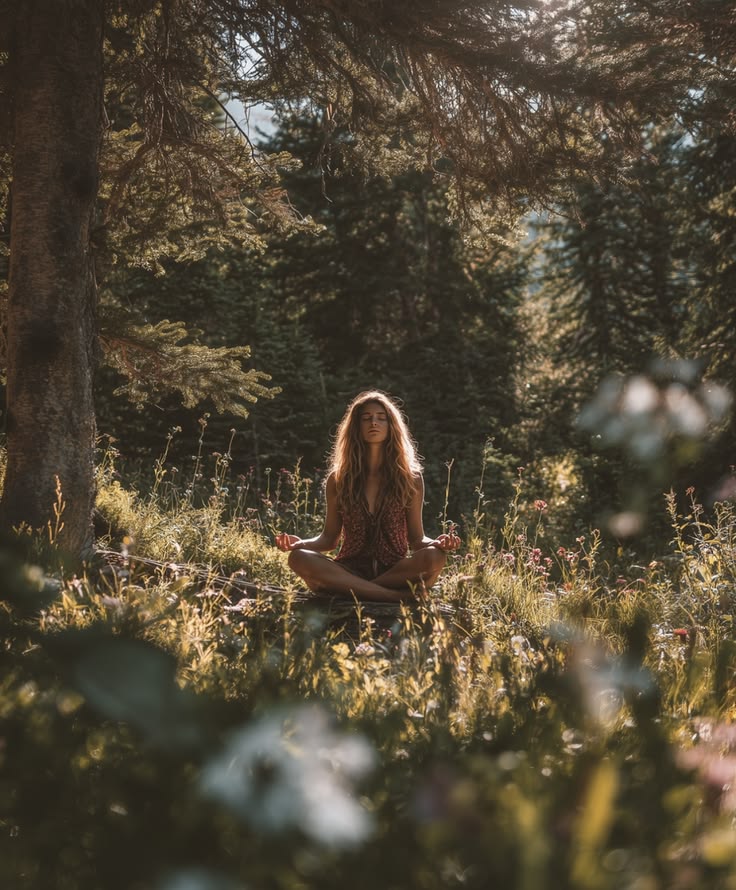
Second. Grow calm. Sit down, close your eyes and turn your attention to your heart. Breathe slowly until you feel your thoughts settle like water whose surface the wind no longer ruffles. Remember that you are not separate from the world: the very air you are breathing in now was released a moment ago in the leaves of an oak.
Third. Cleanse the water. Take some salt in your right hand and imagine it growing hot from the sacred fire, the same fire that women in ancient times kept burning in the hearth and never allowed to go out. Sprinkle the salt into the water and see that light spread through the whole vessel, cleansing it to the bottom. Then dip the stone in and watch the light pass right through it, through every crack and every grain.
Fourth. Place in the stone what you love. Take the stone out and hold it in your palm. Now think of what is dearest to you: your people, your favourite corner of nature, warm steaming bread on the family table, the call of the cuckoo, children’s laughter, the apple tree at your grandfather’s homestead. And of what would be lost forever if the world were to drown in war or in a ruined nature. Allow yourself to feel it, even if your throat tightens. One by one, move those images into the stone until you feel they have settled in it like seeds in a grain.
Fifth. Look at the Earth from above. Imagine rising above your yard, your village, your town, Lithuania, until you see the whole Earth as a living sphere with clouds, seas and forests. See how light rises from your stone, and from the hands of thousands of other people, and wraps the Earth like a mother’s shawl. That light dissolves the hatred, fear and greed from which wars are born. See the Earth as a garden in bloom.
Sixth. Rest. Breathe deeply and calmly.
Seventh. Return the gift to the earth. Put some earth into the scrap of linen, add the stone, wrap it up and tie it with the thread. Take it to your yard, garden or another place you love and bury it. Let everything you have placed in it slowly flow back into Žemyna’s womb and merge with the intentions of other people who love this land.
Eighth. Visit the place. Once a week, come for a few minutes. Stand a while, remember, add new images or let go of those that no longer matter. This is no longer a rite but a conversation.
When
The rite can be performed at any time, but it is strongest when many people perform it together. That is why I suggest linking it to the festivals of the wheel of the year: the solstices, the equinoxes, Rasos, Žolinė, Ilgės. At the next festival the stone can be dug up, the rite renewed and the stone returned to the earth again.
A small stone in the yard will not save the world. But a person who comes once a week to talk with the earth is hardly likely ever to defile it. It is with such people that a world worth saving begins.
Would you perform such a rite together, at the next festival? Write in the comments.